
Adult
70MAD
12 and over
Buy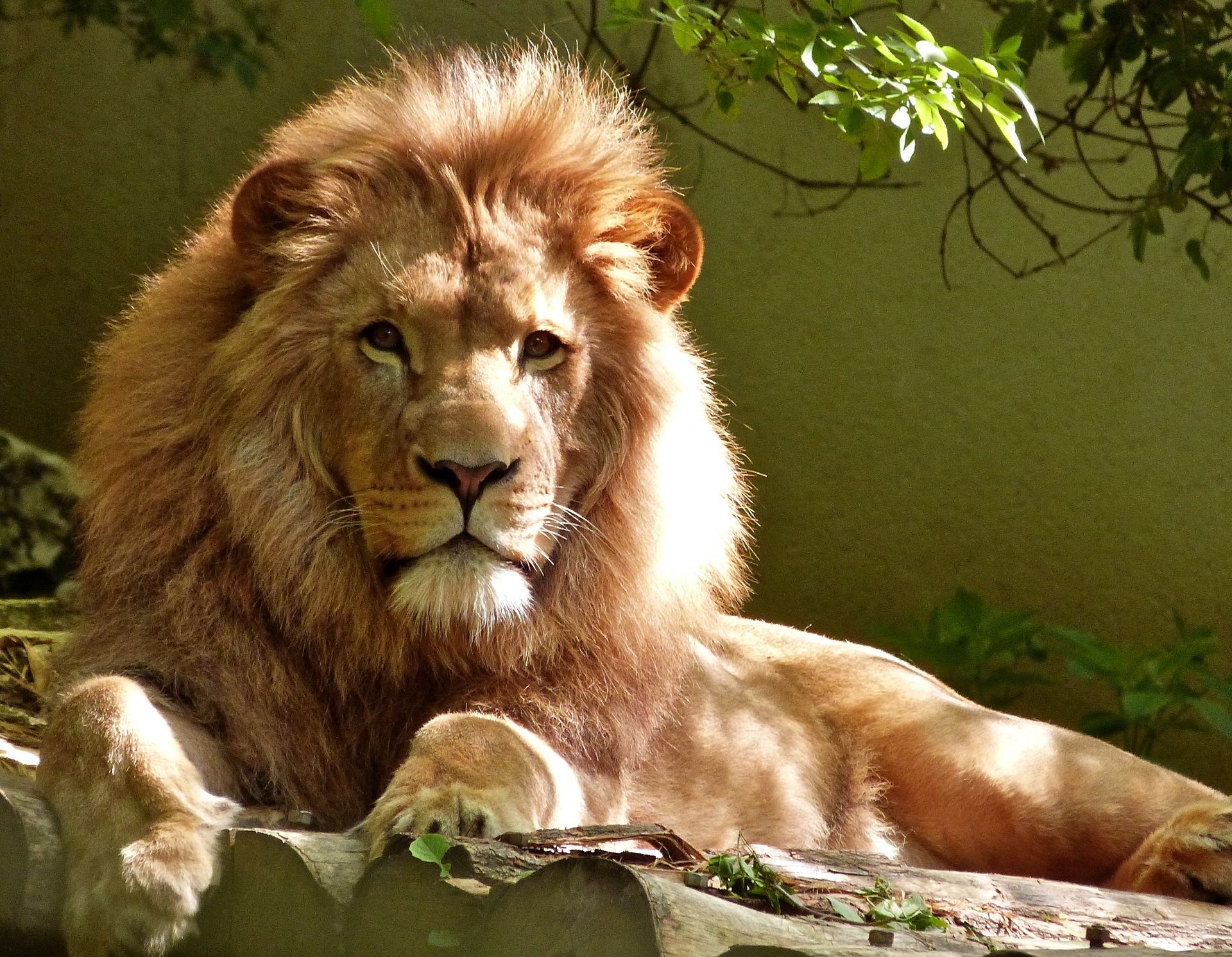
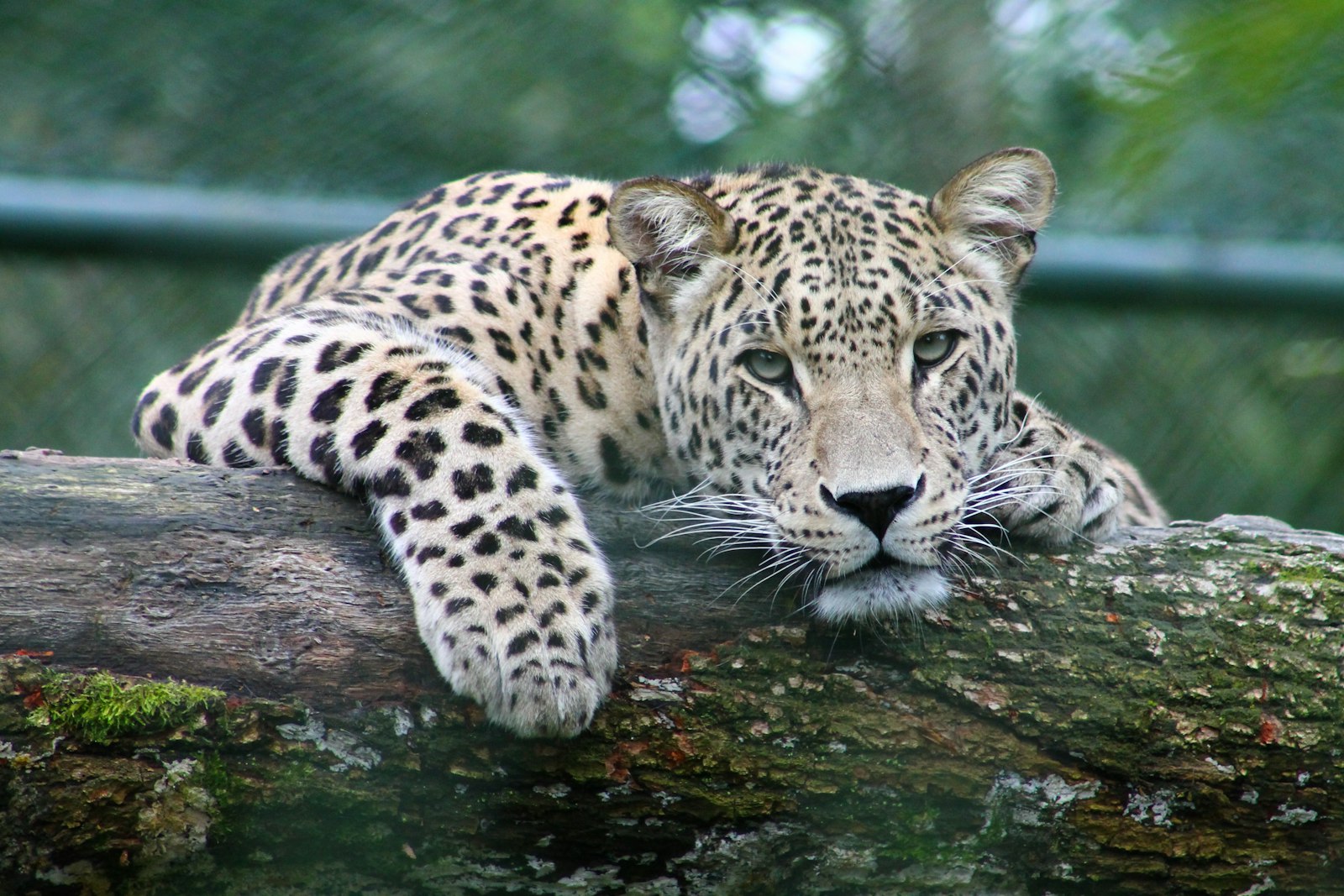
Tickets online, QR at the gate. Atlas lion, savannah, vivarium — 27 hectares, 15 minutes from Rabat.
From 50 MAD · child · under 3 free
Practical information
Last entry one hour before closing.
Adult
70MAD
12 and over
BuyChild
50MAD
Ages 3–12 · under 3 free
BuyFamily pack
200MAD
2 adults + 2 children
BuyDiscovery tickets (guided): 90 MAD adult · 70 MAD child.
Annex 23, Green belt, Cité Yacoub El Mansour, Rabat.
Buses 7, 18, 40, 45 · Taxis · On-site parking, accessible bays.
Konopizza at the arrival village, Out of Africa restaurant in the savannah, five kiosks across the biozones.
Collection
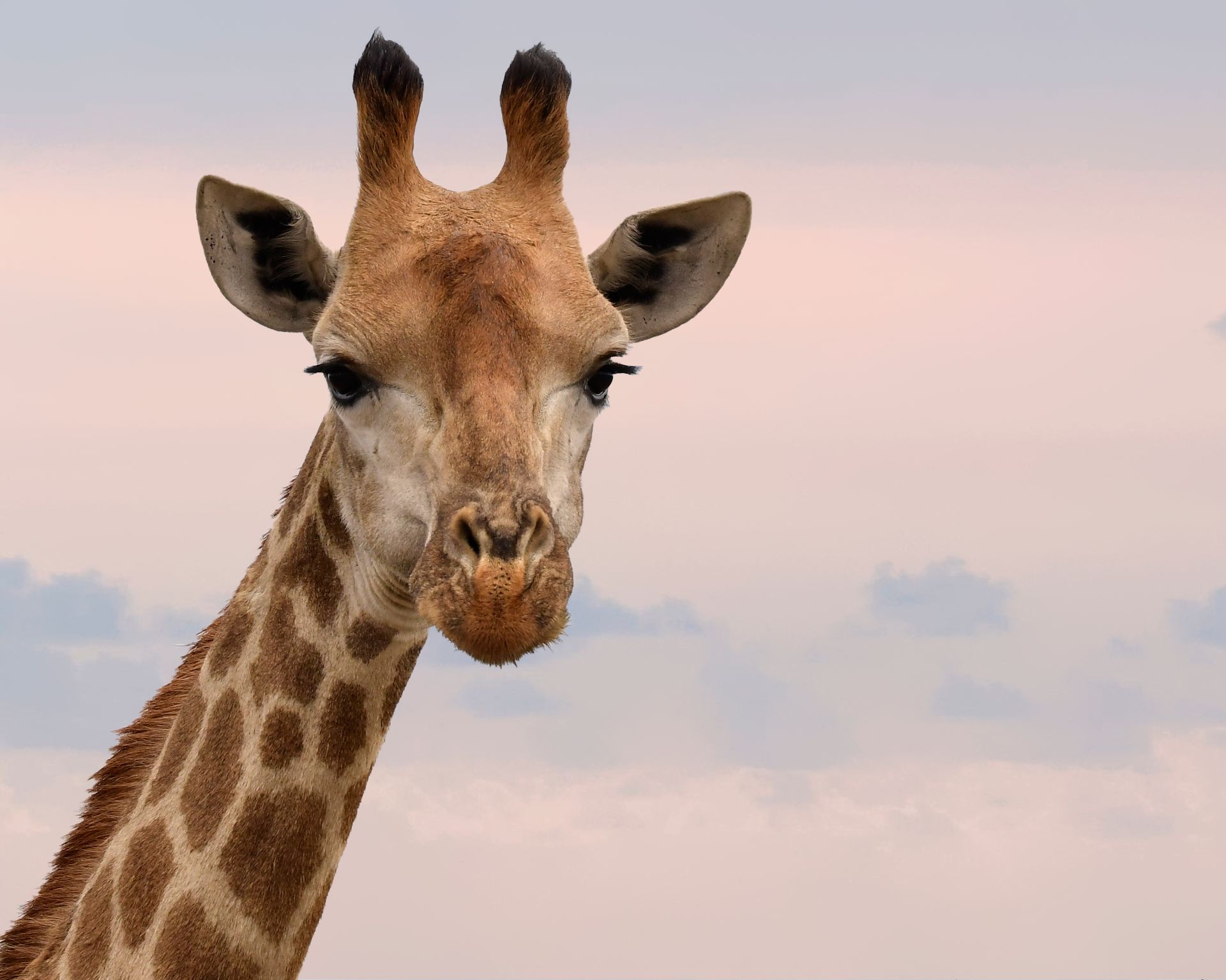
Around 2,000 animals and more than 190 species. A few faces to start with — the park is walked, not rushed.
01
Atlas Mountains
02
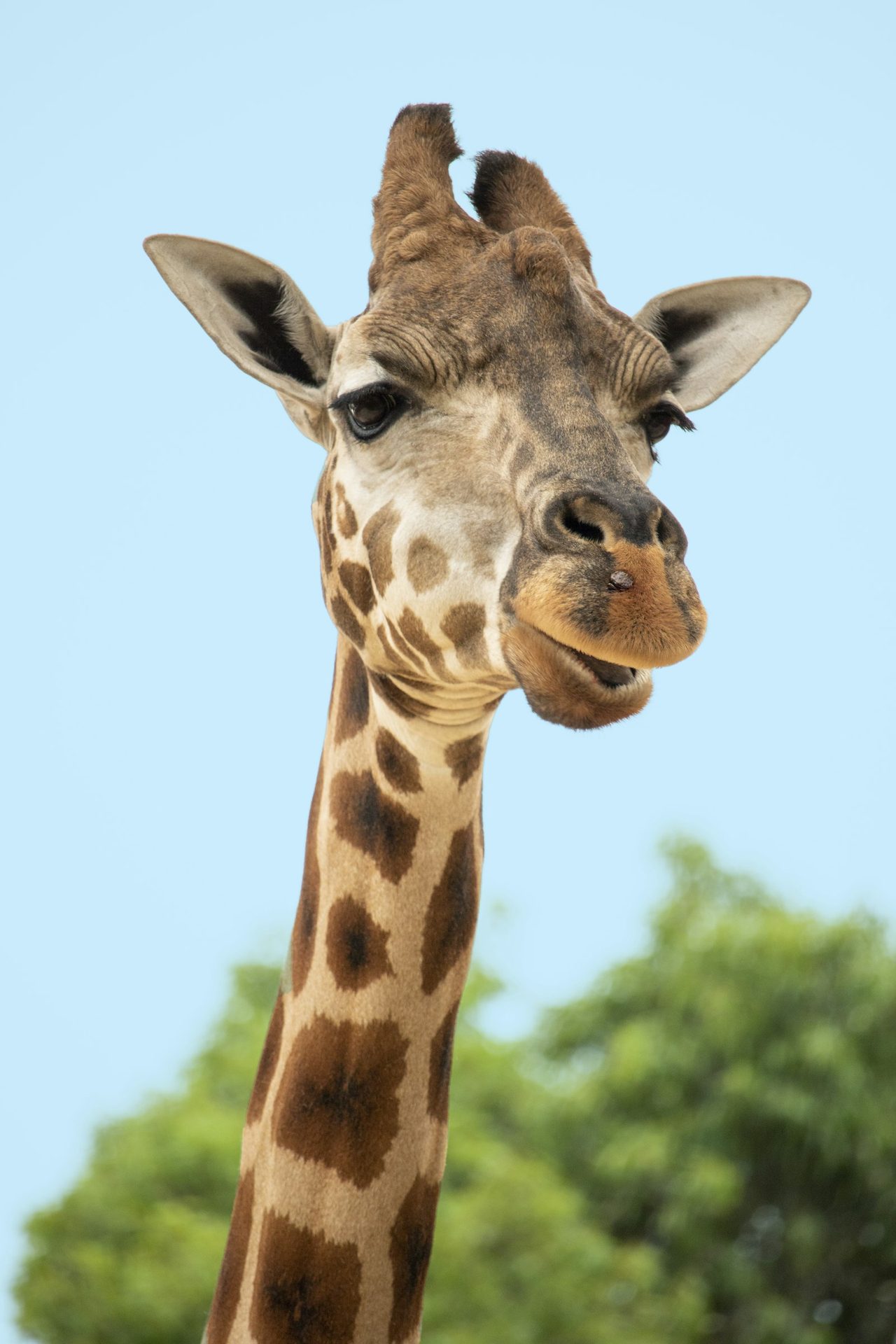
Savannah
03
Tropical forest
04
Savannah
05
Savannah
06
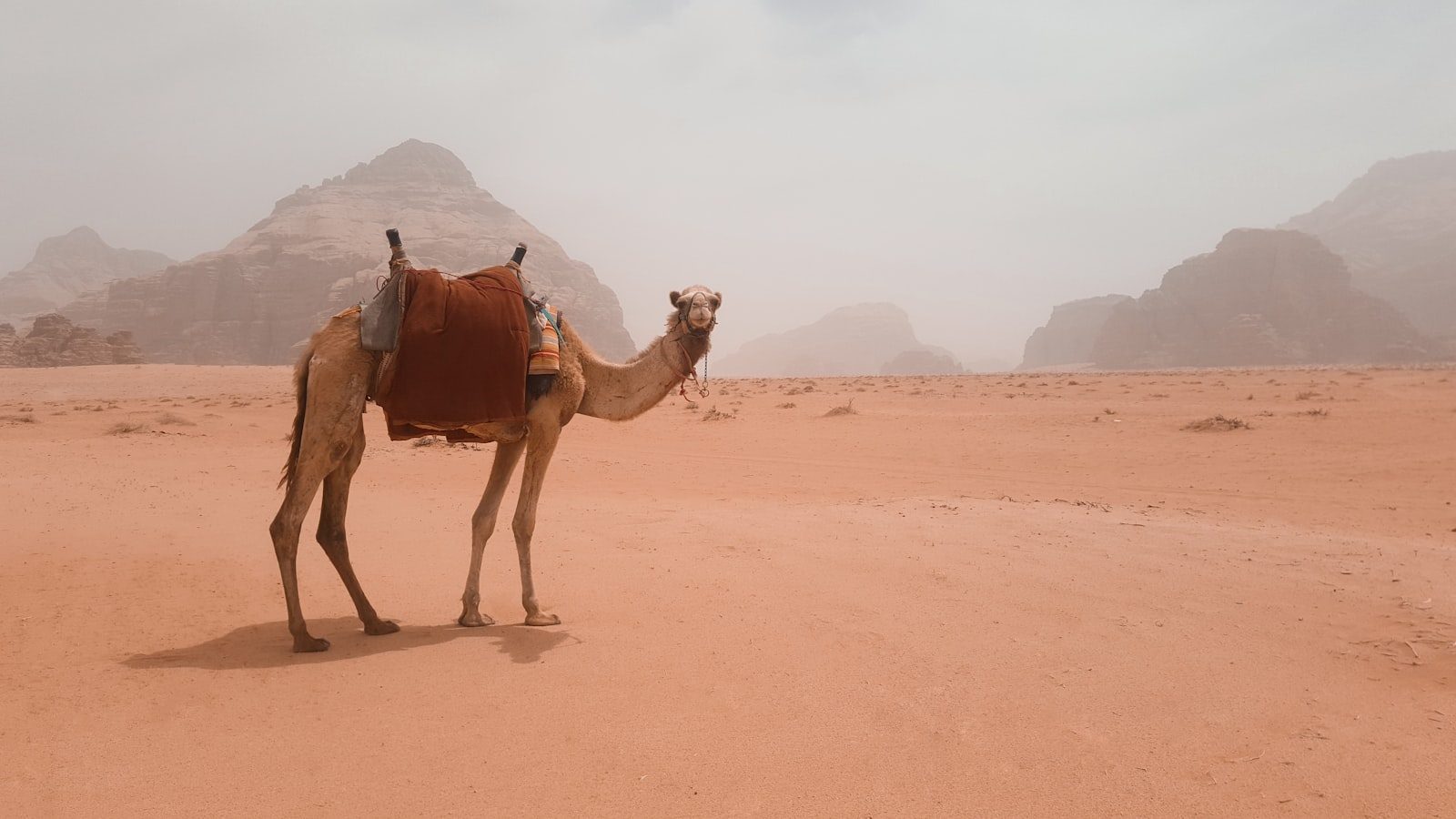
Desert
01
Atlas Mountains
02
Savannah
03
Tropical forest
04
Savannah
05
Savannah
06
Desert
01
Atlas Mountains
02
Savannah
03
Tropical forest
04
Savannah
05
Savannah
06
Desert
Where to begin
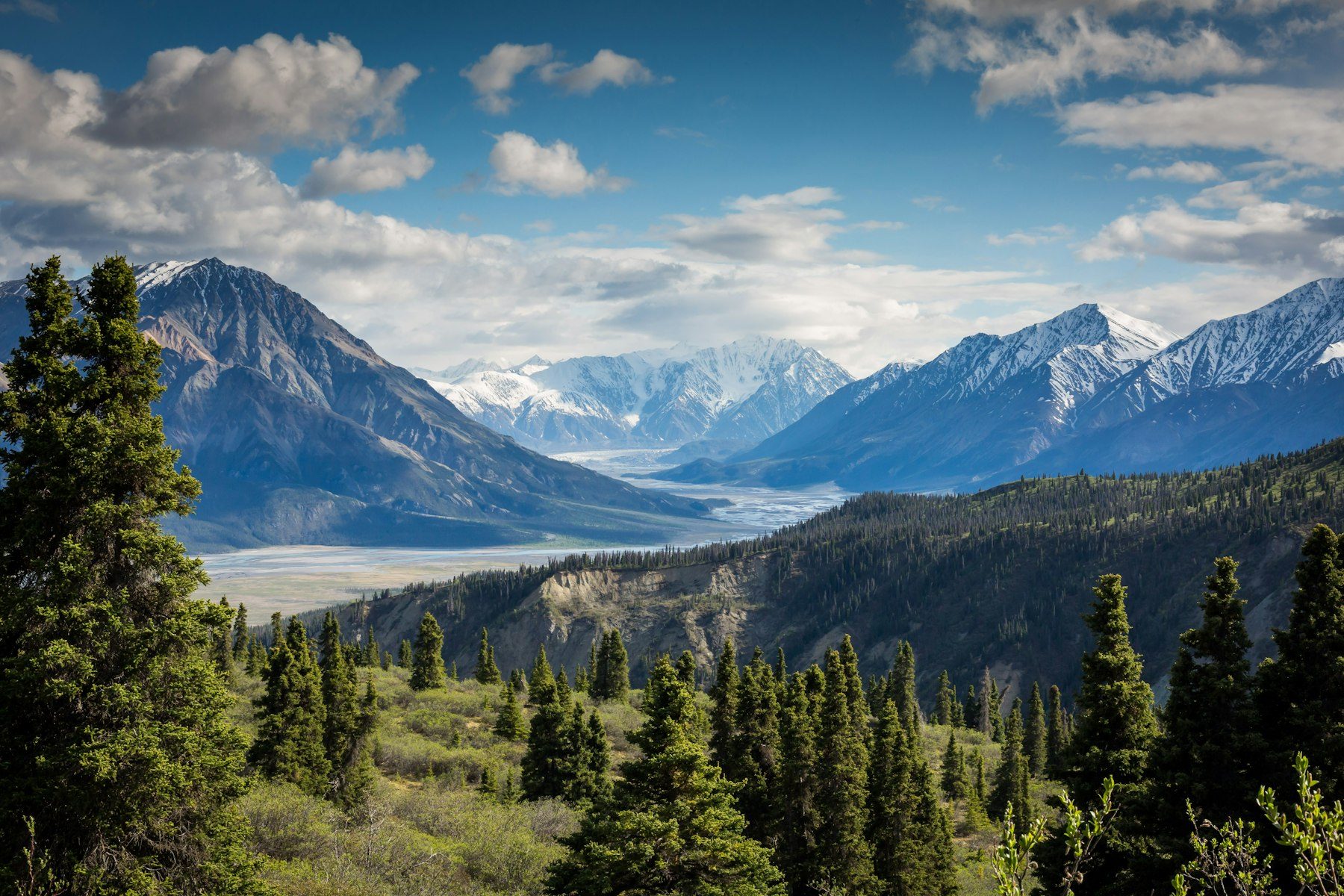
The trail links mountains, desert, savannah, wetlands and rainforest. Each habitat has its species, its light, its quiet.
Atlas lion
Maghreb
Rocky slopes, cedars and cooler air: this is where the Atlas lion lives — emblem of the Maghreb, gone from the wild. Barbary macaques and North African birds hold the hillsides. Big cats are most active in the morning; the rest of the day, you move at their pace.
On site
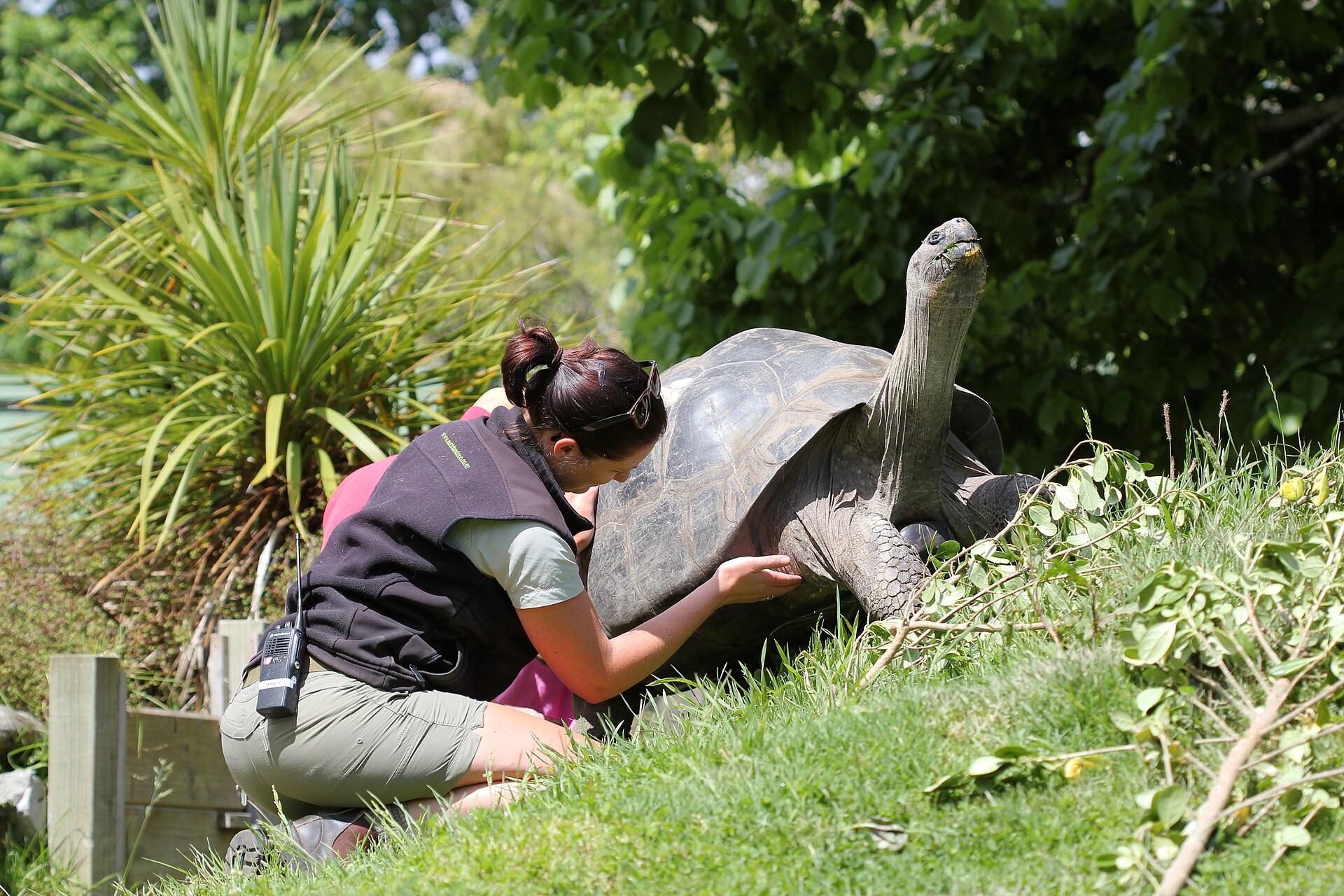
A morning in the teams’ routine: feeding, observation, respect for the animals.
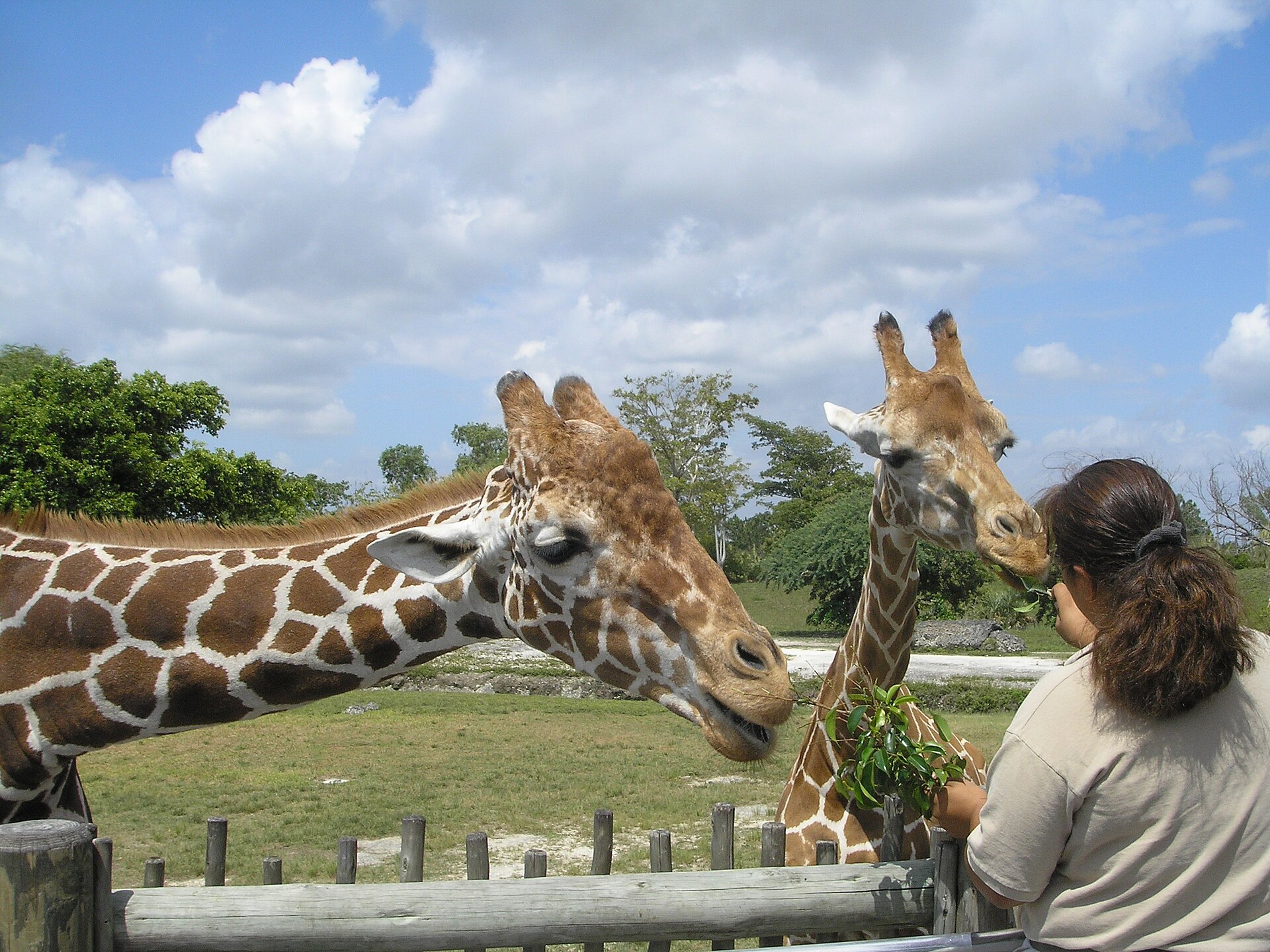
Commented sessions so you understand what you see — not only photograph it.
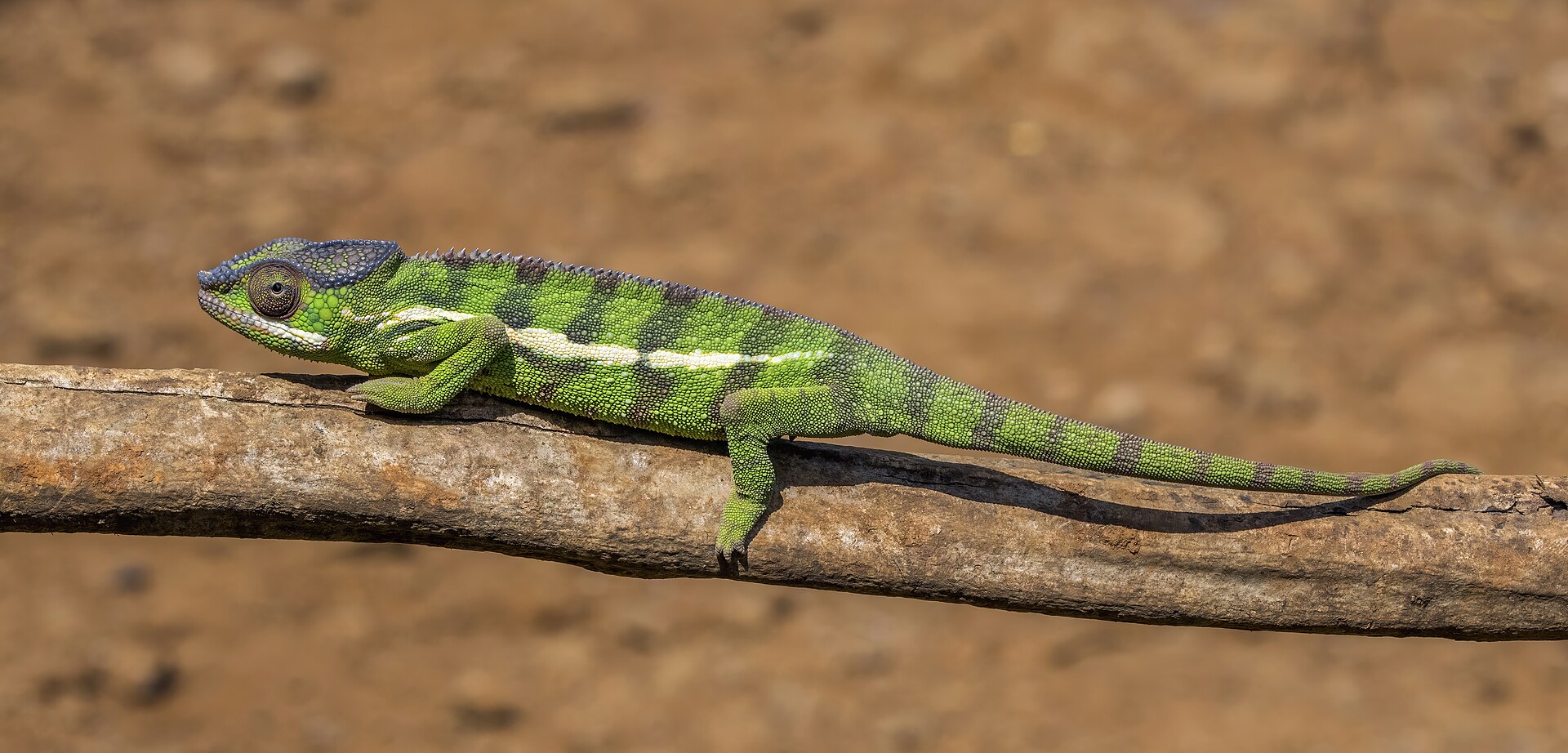
Reptiles and amphibians in a dedicated gallery, off the main circuit.
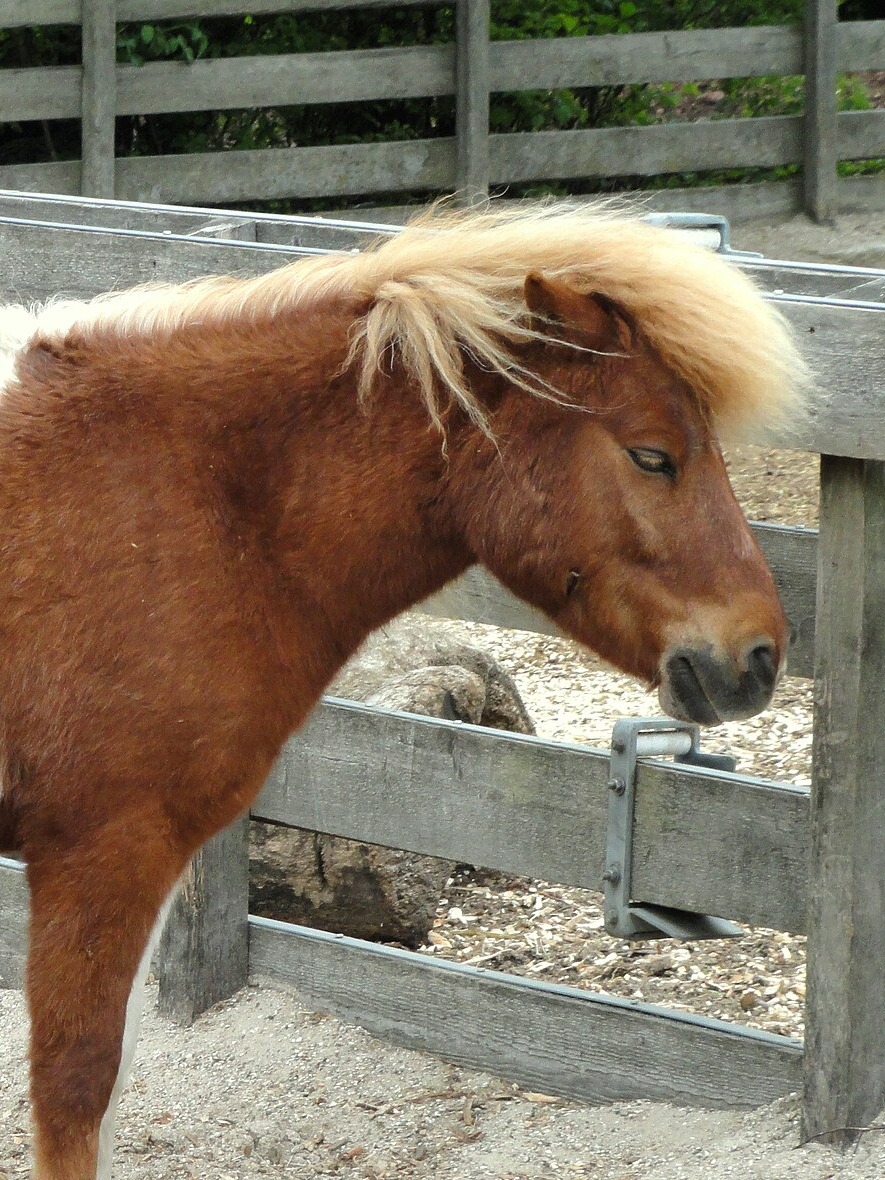
Shetland ponies, dwarf goats, macaws — often a child’s first real encounter.

A rare setting for a birthday. Book with the park.
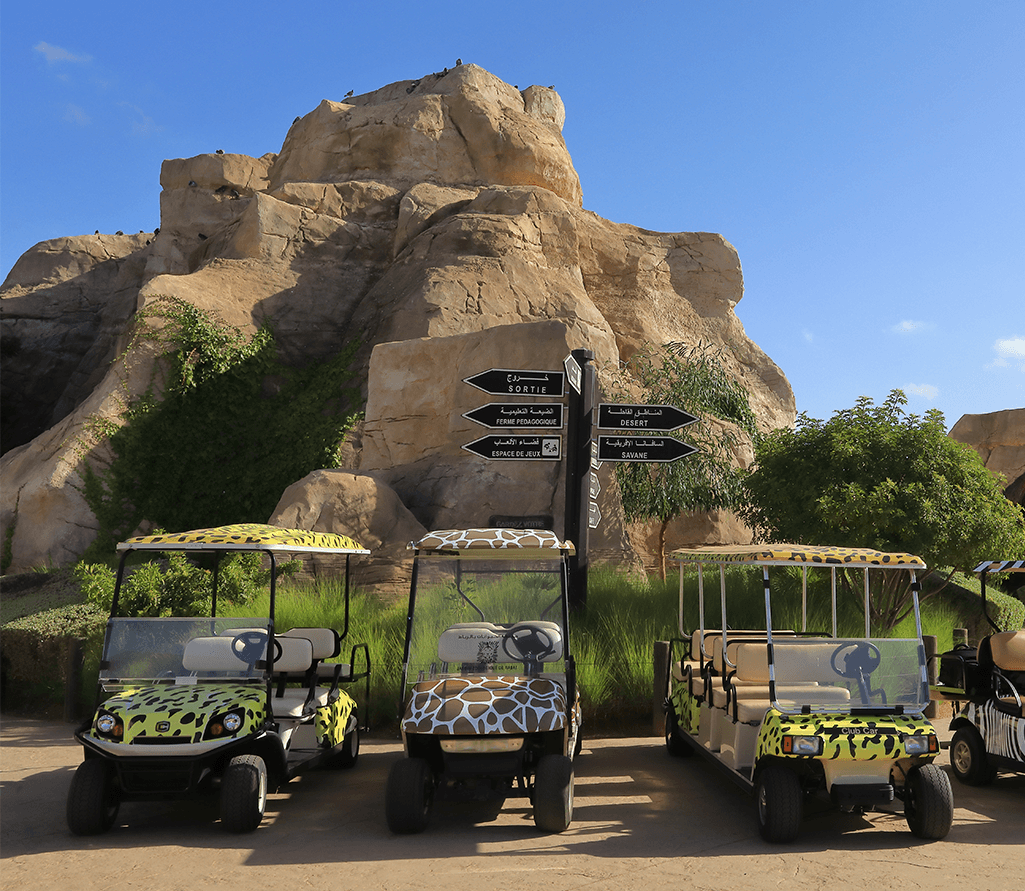
Link biozones without walking the whole trail — families and reduced mobility.
What sets us apart
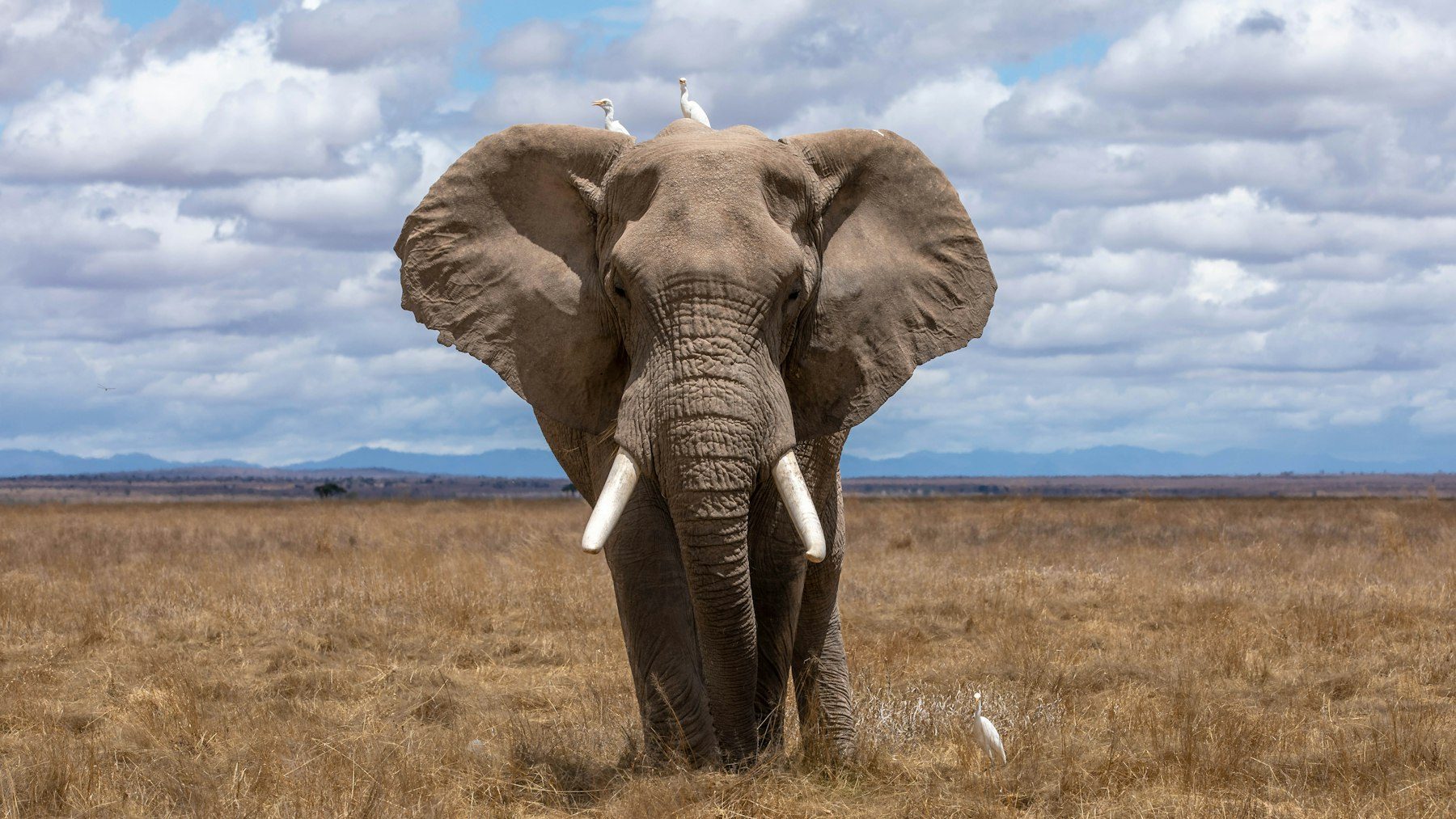
Across 27 hectares, the National Zoological Garden recreates the great landscapes of Morocco and Africa. You come to meet the Atlas lion, the elephant, the northern bald ibis — and to understand why they still have a future.
Enclosures designed as habitats, not sets. The day follows the animals’ rhythm.
Keepers, vets and breeding programmes work here. The park is a conservation tool.
Accessible paths, a teaching farm, a vivarium and dining on site. A full day, unhurried.
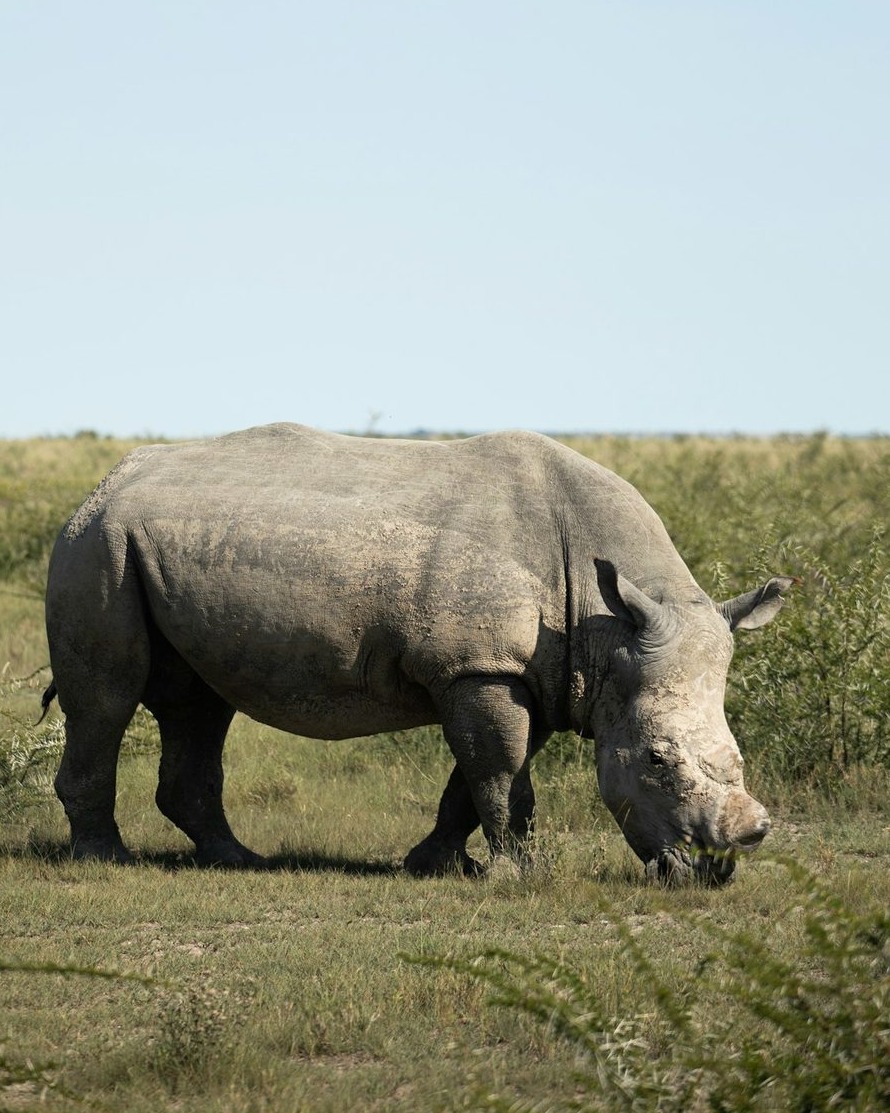
Rhinoceros
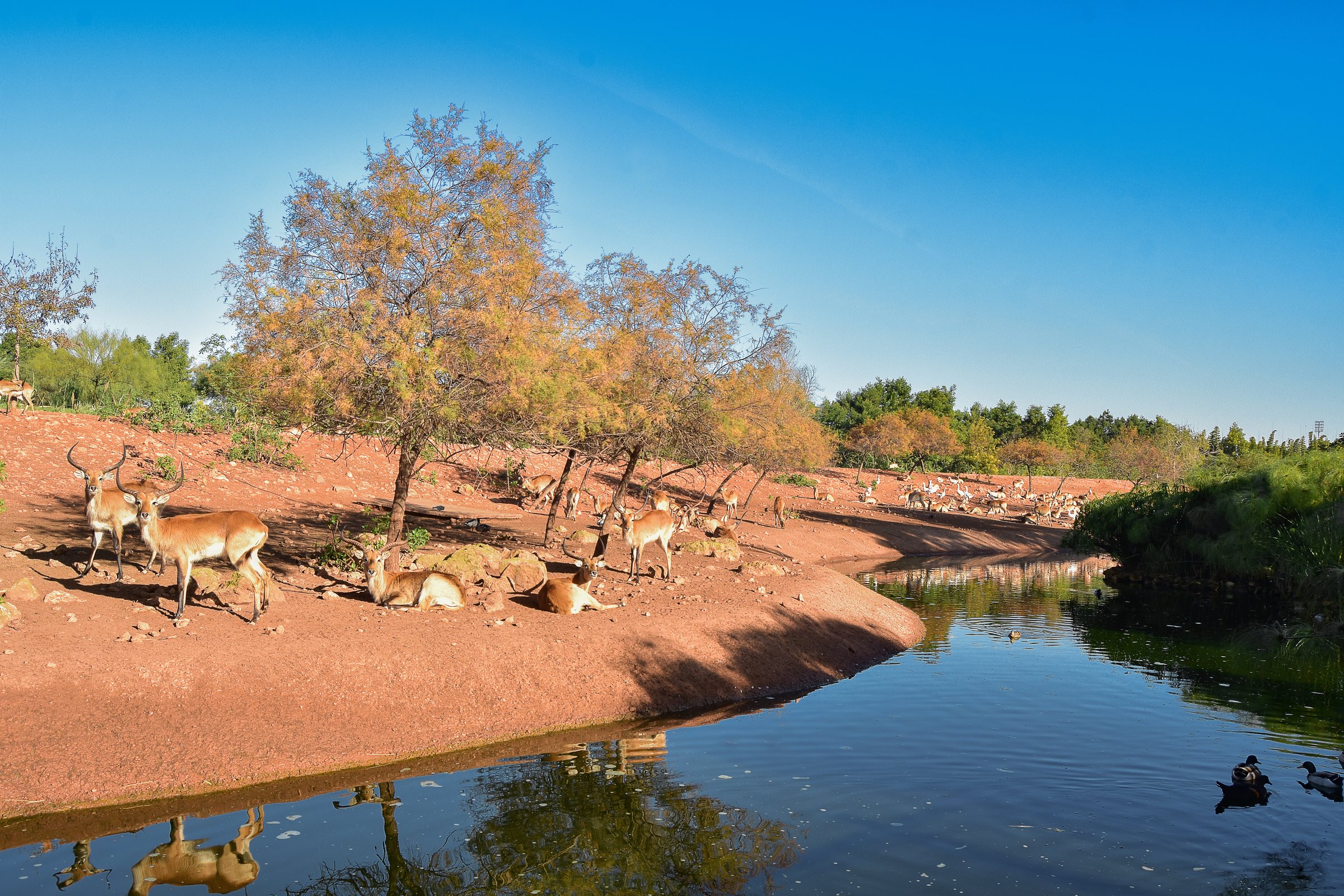
Mission
The National Zoological Garden works here, every day: breeding programmes, veterinary care, school education, applied research.
27 ha
of landscaped park
190+
species hosted
2000
animals, about
5
recreated biozones
01
Health, behaviour, genetics — data before decisions.
02
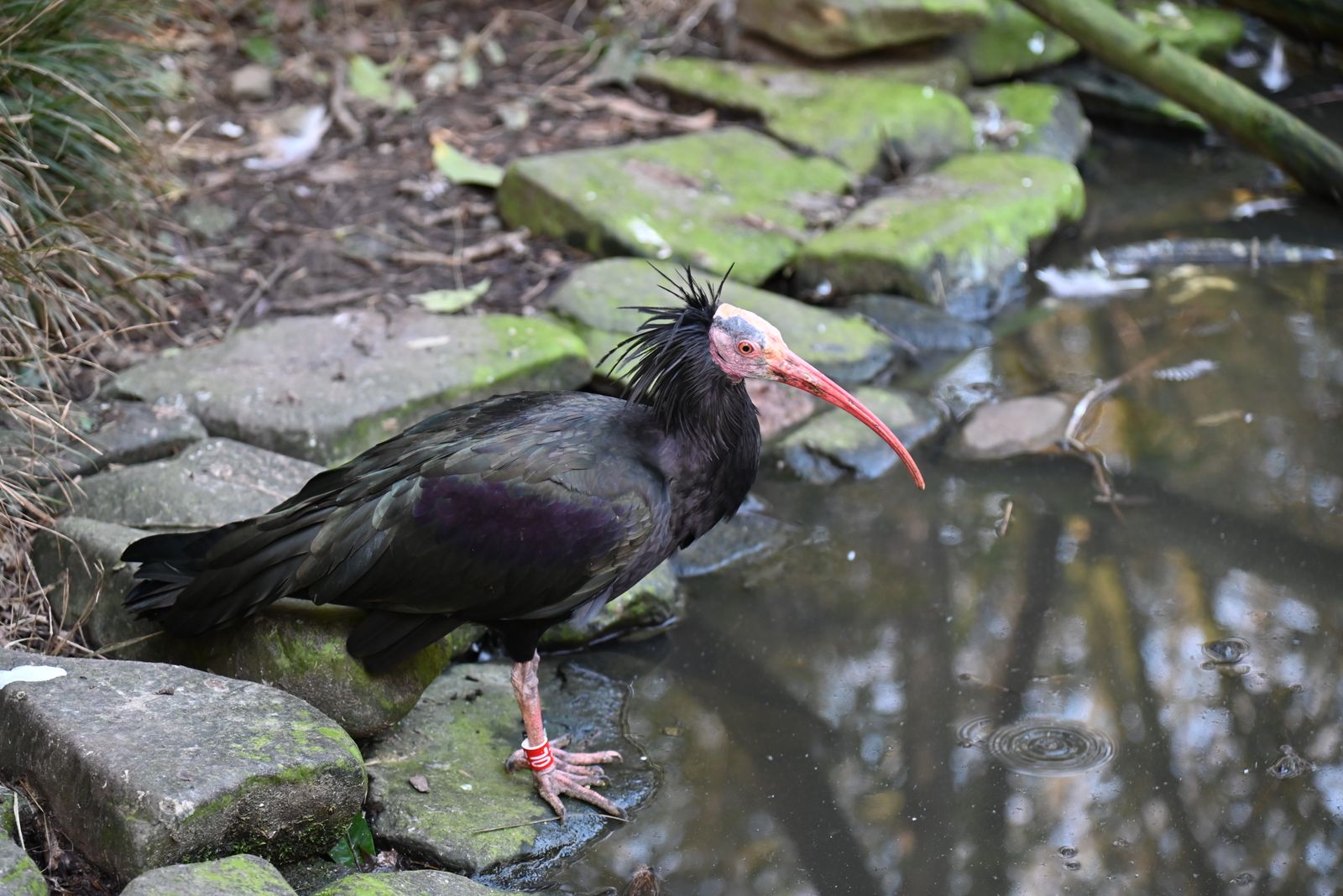
Targeted programmes, including the still-threatened northern bald ibis.
03
Schools, families, trainee keepers: conservation begins with knowledge.
To save a species is first to give it a place where it can still be born.
National Zoological Garden · Rabat
Stories
Conservation
Taken in in 2015, JZN’s birds now breed in Rabat. A quiet programme, essential for the species in Morocco.
ReadHeritage
Extinct in the wild, it remains one of the park’s strongest faces — and a reminder of what can be lost.
Read
Visit
From cedar to palm, mountain to reedbed: how to walk JZN without missing the point, or rushing it.
ReadThe world at your feet
Special openings, births, school workshops. No spam — a few useful updates.